Heavy metals are not intentional cosmetic ingredients, yet they turn up in cosmetics more often than consumers expect. They arrive as trace contaminants of raw materials, and because cosmetics are applied to skin and lips, controlling them is a routine part of responsible manufacturing. Here is where they come from and how they are limited.
Where the metals come from
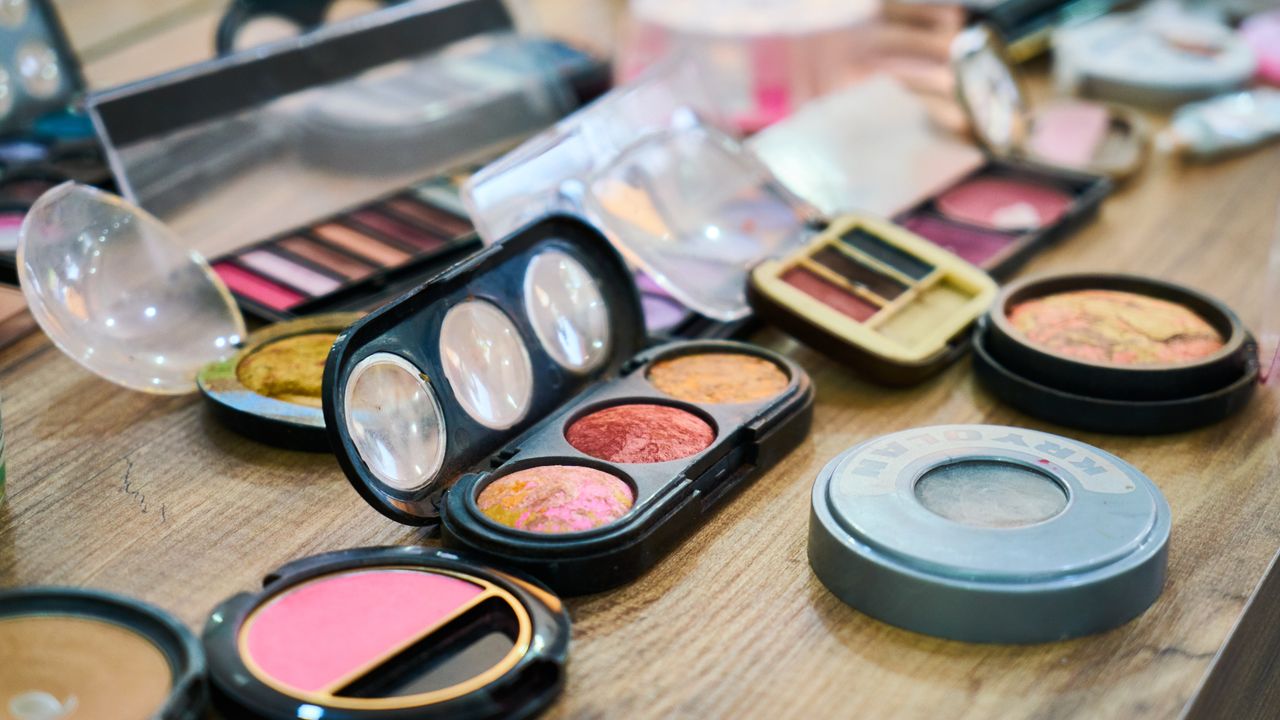
The main source is raw materials, particularly the mineral pigments and colorants used in color cosmetics, which can carry trace lead, arsenic, cadmium, and mercury from their natural sources. Clays and other mineral ingredients are common contributors.
Why it matters for cosmetics specifically
Lip products and anything used near the mouth or eyes raise the concern, because incidental ingestion and mucous-membrane exposure are realistic. That is why lead in lipstick, for example, has drawn specific regulatory attention.
How they are measured
The standard method is ICP-MS, which quantifies multiple elements simultaneously at very low detection limits. Its sensitivity matters because cosmetic limits for these elements are low, and a coarser method can miss a metal present just under its detection threshold.
How limits are set
Limits come from regulatory guidance and, in some markets, specific rules for color additives and lip products. Frameworks such as California’s Proposition 65 also drive testing for the U.S. market. A result is only meaningful against the limit for that product type and market.
Reading the result
Look for lead, arsenic, cadmium, and mercury reported individually by ICP-MS, with limits and detection limits stated. A lumped “heavy metals: pass” tells you far less than an element-by-element report.