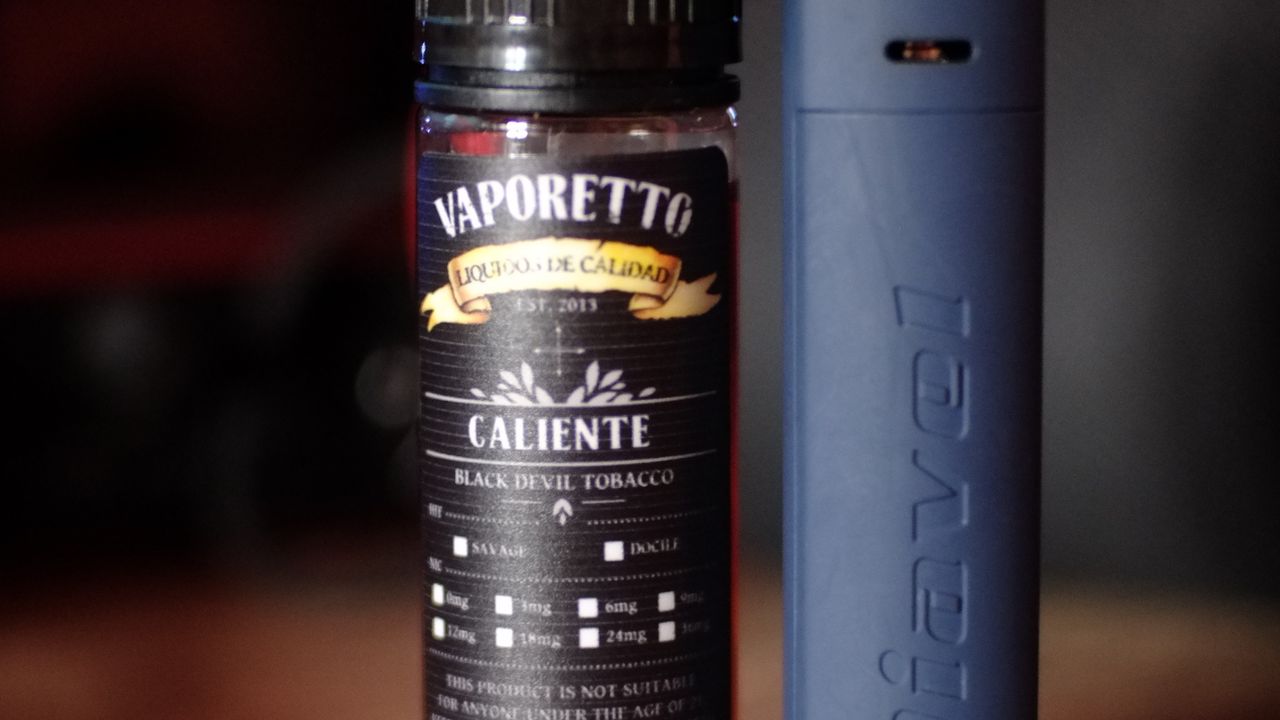
“Nicotine salt” and “freebase nicotine” describe the same molecule in two different chemical states, and the difference shapes how a product feels, how it is dosed, and how it is tested. Understanding what the lab actually measures clears up a term that marketing has made confusing.
The same molecule, two states
Nicotine is a base. In its freebase form it is unprotonated; combined with an acid it becomes a salt. Nicotine-salt products pair nicotine with an acid such as benzoic or lactic acid, which lowers the pH and changes how the nicotine behaves without changing how much nicotine is present.
Why the form is used
Lowering the pH with a salt makes higher nicotine concentrations feel smoother, which is why nicotine salts became common in pouches and modern e-liquids. It is a delivery and sensory choice, not a change in the nicotine itself.
What testing measures
- Total nicotine content: quantified by HPLC or GC regardless of form, and checked against the label.
- pH: a direct measurement that reflects the acid–base balance.
- Free-base fraction: the proportion of nicotine in the unprotonated form, which follows from pH and characterizes delivery.
Why it matters for a COA
Two products with identical total nicotine can deliver very differently depending on their pH and free-base fraction. A thorough nicotine COA reports total content and the parameters that describe the form, so “36 mg/mL salt” and “36 mg/mL freebase” are not mistaken for the same experience.
Reading the result
Total nicotine tells you how much; pH and free-base fraction tell you how it is delivered. A product that lists only a milligram number, with no pH or form data, has described half of what matters.