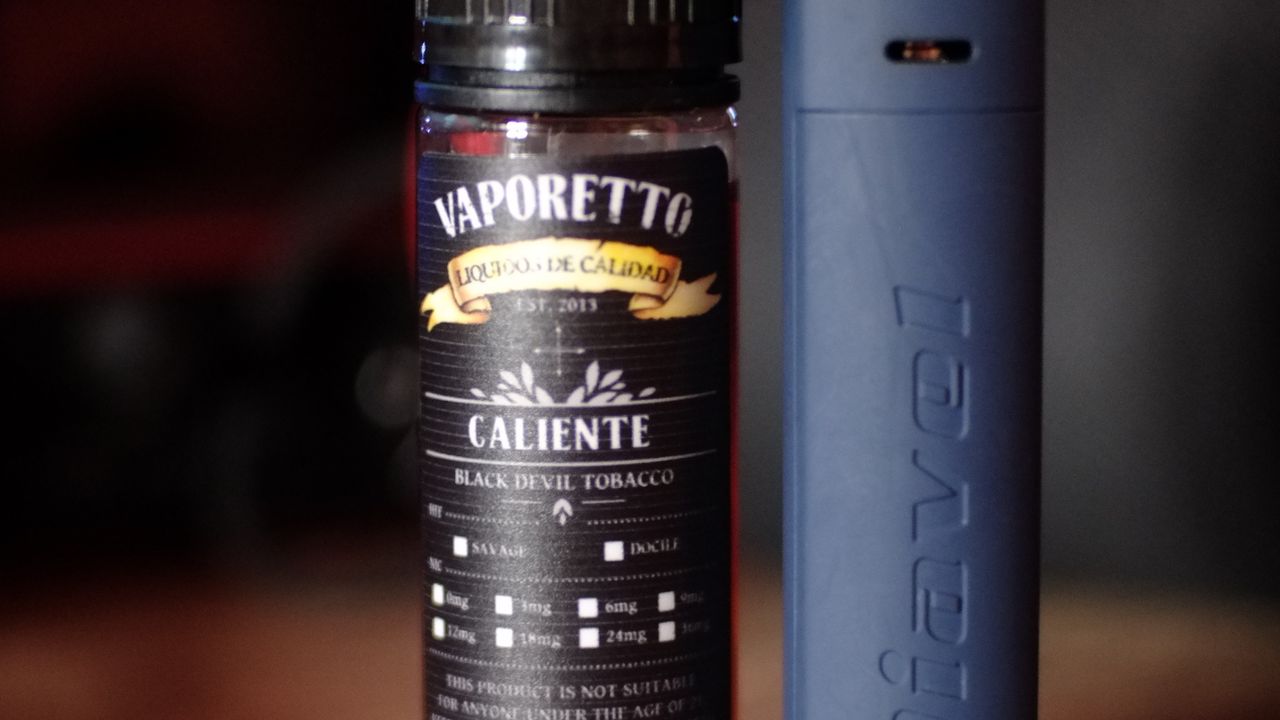
Nicotine products (pouches, e-liquids, gums, lozenges) sit under some of the most active regulatory scrutiny of any consumer category, and the analytical expectations have risen accordingly. A defensible nicotine product rests on three pillars of testing: content accuracy, impurity profile, and safety. This guide walks through each and what the results actually prove.
Why nicotine testing is under a microscope
Nicotine is a potent, dose-sensitive compound, and label-claim accuracy is both a safety issue and a regulatory one. Overstated or understated content, undeclared impurities, or microbial problems in an orally consumed product are exactly the failures regulators and retailers screen for. Testing is how a manufacturer demonstrates control.
Content accuracy: label-claim verification
The headline test is quantifying how much nicotine the product actually contains versus what the label claims. This is done by HPLC or GC against reference standards, reported as mg per unit (pouch, mL, piece) or as a percentage.
Accuracy matters in both directions: too little undermines the product claim, too much is a safety concern. Batch-to-batch consistency, not just a single passing result, is what a mature quality program demonstrates.
Free-base vs. salt nicotine
Modern products often use nicotine salts, nicotine combined with an acid (such as benzoic or lactic acid), which lowers pH and changes how the nicotine is delivered and perceived compared with free-base nicotine. The form affects both the product experience and the analysis:
- Total nicotine content is quantified regardless of form.
- pH and the free-base fraction are relevant characterization parameters, because they influence delivery.
Nicotine-related impurities
Pharmaceutical-grade and pharmacopeial standards limit nicotine-related impurities: related alkaloids and degradation products such as nornicotine, anatabine, anabasine, myosmine, cotinine, and nicotine N-oxide. These arise from the source material and from oxidation over time. Profiling them (rather than reporting only total nicotine) is what distinguishes a controlled product, and pharmacopeial monographs set the limits each impurity is judged against.
Microbial and other safety testing
Because pouches, gums, and lozenges are held in the mouth, microbial limits apply: total aerobic count, yeast and mold, and pathogen screening. Depending on formulation, testing may also cover moisture, residual solvents, and heavy metals.
Building a nicotine product COA
| Test | Method | What it confirms |
|---|---|---|
| Nicotine content | HPLC / GC | Label-claim accuracy |
| pH / free-base fraction | Potentiometry / calc. | Delivery characterization |
| Related impurities | HPLC / LC-MS | Related alkaloids, oxidation products |
| Microbials | Plate count / pathogens | Oral-use safety |
| Heavy metals | ICP-MS | Elemental impurity safety |
A complete nicotine COA reports content against the label claim, names the impurities screened and their limits, and covers microbial safety for the product’s route of use.